Most dental implants succeed without complications, but understanding what causes failure helps you protect your investment and oral health. Recognizing warning signs early can mean the difference between saving your implant and losing it.
At Lotus Dental Associates, Dr. Nhung Phan and our team believe in empowering patients with knowledge about their dental care. We provide comprehensive restorative dentistry services with an airway-focused approach that addresses all aspects of your oral health, not just the immediate concern.
Common Causes of Implant Failure
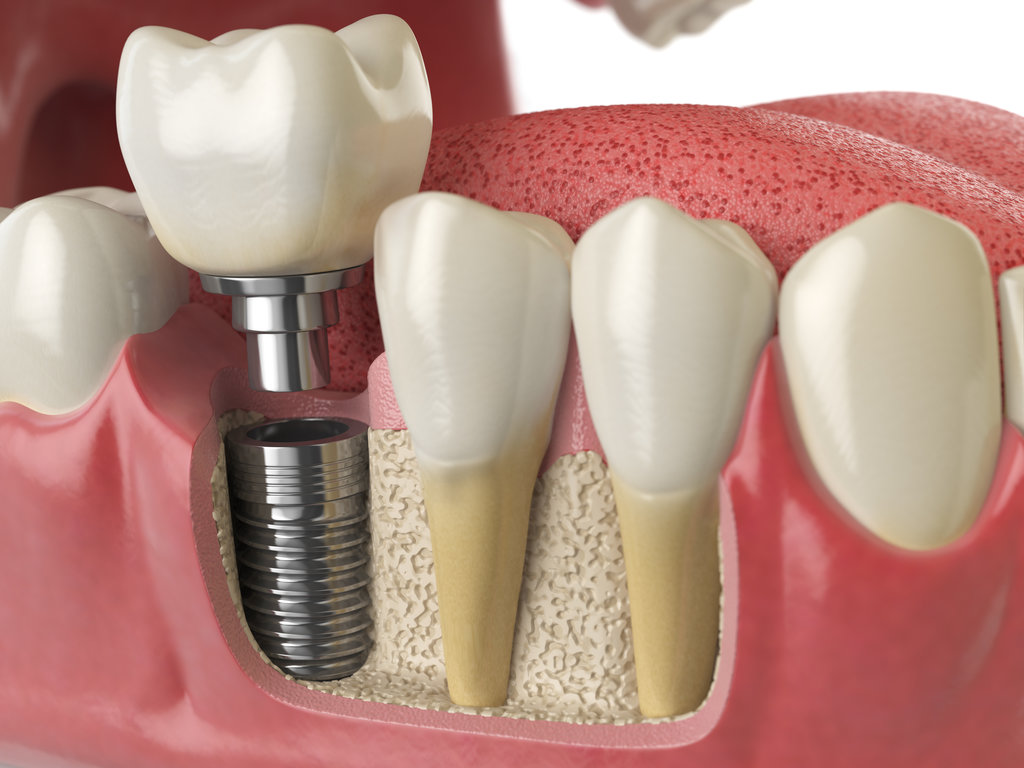
Dental implant failure happens for several reasons, though the National Library of Medicine reports a 95% success rate for properly placed and maintained implants. Poor osseointegration is one of the most common causes of early implant failure. This happens when the titanium post doesn’t properly fuse with your jawbone during the healing period. Without this fusion, the implant lacks the stability needed to support a restoration and may become loose or fall out.
Infection around the implant site can develop at any time but most commonly occurs in the first few months after placement. Bacteria can enter through the surgical site or spread from existing gum disease. Insufficient bone density creates another risk factor for implant failure. The American Academy of Implant Dentistry notes that within the first three months of tooth loss, you can lose up to 25% of the bone in that area. If you’ve lived with missing teeth for an extended period, you may have experienced bone loss that makes implant placement more challenging.
Lifestyle Factors That Affect Implant Success
Smoking significantly increases your risk of implant failure by restricting blood flow to your gums and slowing the healing process. The reduced oxygen supply makes it harder for your bone to integrate with the implant and weakens your body’s ability to fight infection. Many patients don’t realize how much smoking impacts their dental health until complications develop.
Uncontrolled diabetes creates complications for implant success as well. High blood sugar levels impair healing and increase infection risk. However, patients with well-managed diabetes can still be excellent candidates for dental implants with proper precautions and monitoring. Teeth grinding or clenching puts excessive force on your implants and can cause them to loosen over time. This habit also damages the crown attached to your implant and may crack or break it.
Warning Signs You Shouldn’t Ignore
Pain that persists beyond the first week after implant placement or returns after initially improving suggests a problem. Sharp, throbbing, or increasing pain indicates infection or improper healing. Swelling that worsens after the first week or develops redness and warmth around the implant site signals infection. These symptoms shouldn’t be ignored or dismissed as normal healing.
Your implant should feel completely stable once healed. Any movement, no matter how slight, means the implant isn’t properly integrated with your bone. Gum recession around your implant or bleeding when you brush also indicates potential problems. If you notice the gums pulling away from your implant or see more of the metal post showing, this indicates tissue loss that could lead to implant failure.
Preventing Implant Complications
Maintain excellent oral hygiene by brushing twice daily and flossing around your implants just like natural teeth. Food particles and bacteria can accumulate around implants and cause infections if not removed regularly. Consider using a water flosser to clean hard-to-reach areas around your dental work. Your general dentistry routine should include special attention to your implants.
Attend regular dental cleanings and exams every six months or as recommended. These visits allow us to monitor your implants for early signs of trouble and address any issues before they become serious. Professional cleanings remove buildup that contributes to peri-implantitis, a condition similar to gum disease that affects the tissues around dental implants. Follow all post-operative instructions carefully after your implant placement, including taking prescribed medications and avoiding certain foods.
When to Contact Your Dentist
Contact us right away if you experience severe pain that doesn’t respond to over-the-counter medication, excessive bleeding that continues beyond 24 hours, or signs of infection like fever, increasing swelling, or pus discharge. You should also call if you notice any movement of your implant, as this indicates a serious problem that needs prompt evaluation. Similarly, if your bite feels off or your implant crown becomes loose or falls off, schedule an appointment as soon as possible.
For less urgent concerns like mild sensitivity or minor gum irritation, mention these symptoms at your next regular visit. While they may not indicate immediate danger, tracking these changes helps us catch potential problems early. Your proactive approach to monitoring your implants makes a significant difference in their long-term success.
Protect Your Smile at Lotus Dental Associates
While dental implant failure can occur, most problems are preventable with proper care and early intervention. Understanding the warning signs and risk factors helps you protect your investment and maintain your oral health for years to come. Dr. Nhung Phan and our team at Lotus Dental Associates in Fort Mill provide comprehensive implant care with careful monitoring throughout your treatment.
We offer flexible financing through CareCredit, Lending Club, and Cherry, plus an in-house wellness plan for patients without insurance benefits. Our judgment-free approach and bilingual services in English and Vietnamese ensure clear communication about your dental health. Contact us today to schedule an evaluation and learn how we can help you maintain healthy, successful dental implants.