When you lose a tooth, the consequences extend far beyond the visible gap in your smile. Beneath the surface, your jawbone begins a process of deterioration that can have lasting effects on your oral health and facial structure. Understanding the relationship between dental implants and bone health is crucial for anyone considering tooth replacement options. This connection influences not only the success of your implant but also your long-term oral wellness.
The remarkable relationship between dental implants and bone tissue represents one of modern dentistry’s greatest achievements. At Lotus Dental Associates in Fort Mill, South Carolina, Dr. Nhung Phan and our experienced team take an airway-focused approach that addresses the root causes of dental issues, including bone loss. We understand that dental implants do more than simply fill the space left by missing teeth. They actively participate in maintaining and stimulating bone health through a biological process called osseointegration.
Understanding Osseointegration
Osseointegration is the biological phenomenon that makes dental implants so successful. This process involves the direct structural and functional connection between living bone tissue and the implant surface. Research published by the National Institutes of Health indicates that approximately 1–2% of patients experience primary implant failure due to inadequate osseointegration, while about 5% experience secondary failure caused by peri-implantitis. These relatively low failure rates demonstrate the reliability of this biological process when properly executed.
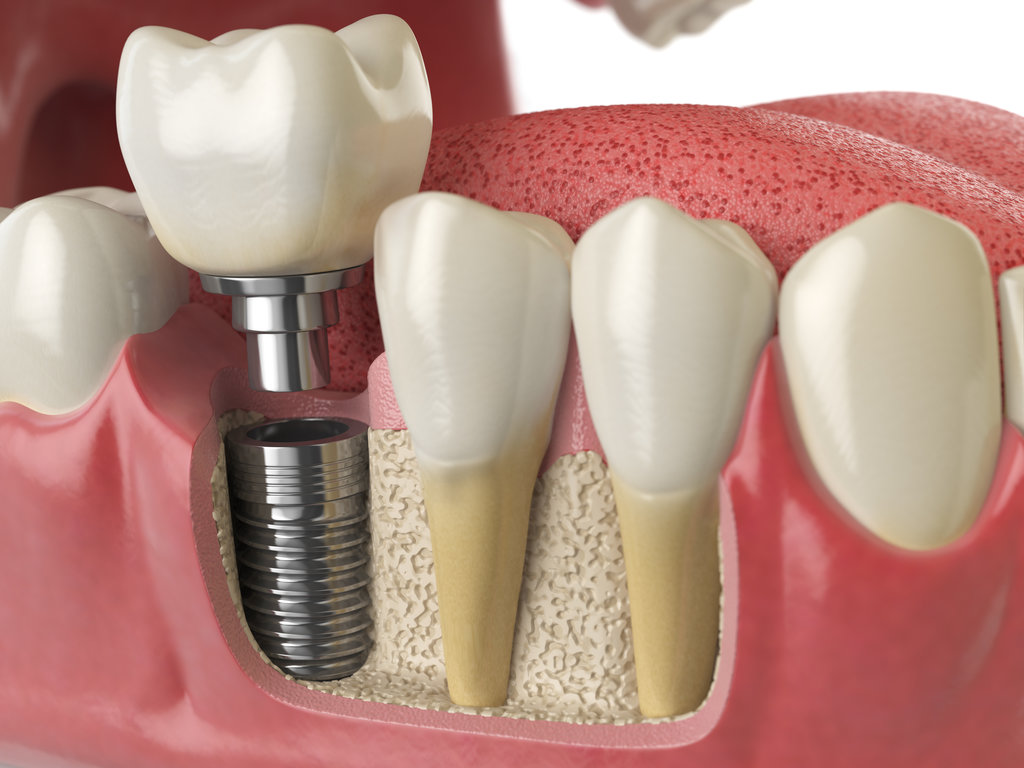
During osseointegration, bone cells called osteoblasts attach to the titanium implant surface and begin depositing new bone tissue. This creates a stable foundation that can withstand the forces of chewing and speaking. The process typically takes several months, during which the implant becomes firmly anchored in your jaw. Unlike other tooth replacement options such as dentures and partials, which sit on top of the gums, dental implants become integrated with your bone structure.
How Bone Loss Occurs After Tooth Extraction
Your teeth serve a vital function beyond chewing. Each time you bite down, the roots of your teeth transfer force into your jawbone. This stimulation signals your body to maintain bone density in that area. When you lose a tooth, this stimulation disappears. Without regular stimulation, your body begins to resorb the bone tissue in that location, much like how muscles atrophy when not used regularly.
This bone resorption can begin within weeks of tooth loss and continues progressively over time. The longer you wait to replace a missing tooth, the more bone loss occurs. This creates additional challenges if you eventually decide to get dental implants, as insufficient bone volume may require bone grafting procedures before implant placement.
Dental Implants as Bone Preservation Tools
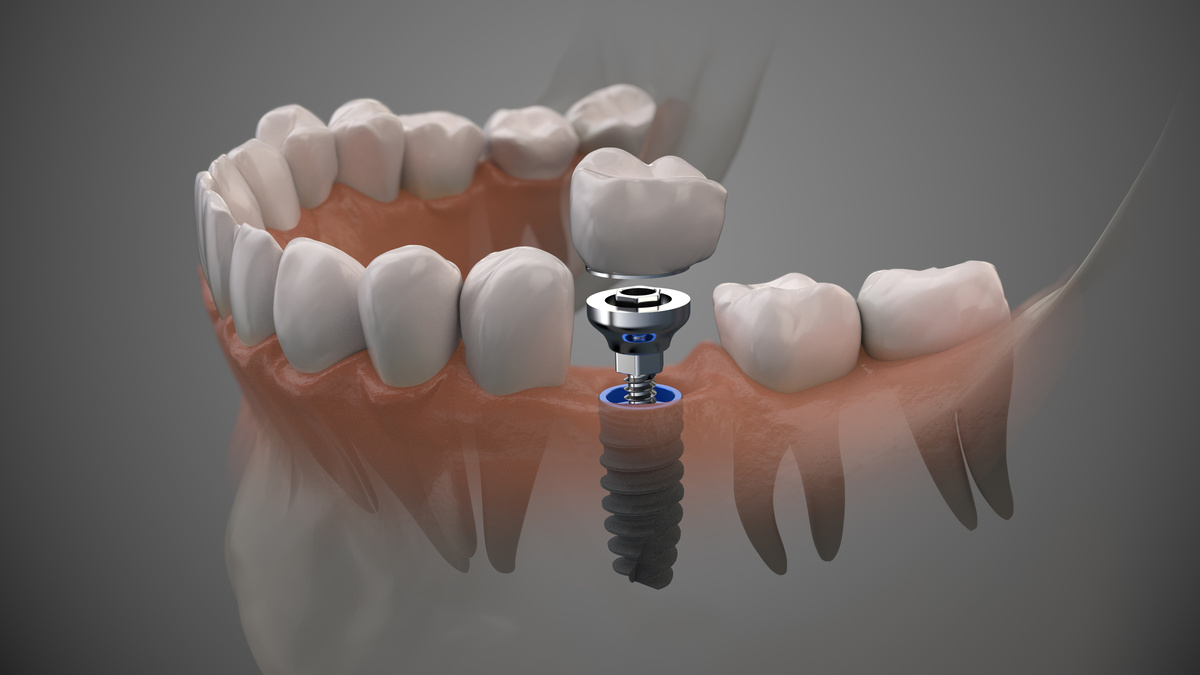
Dental implants uniquely address bone loss by mimicking the function of natural tooth roots. When you chew with implant-supported teeth, the force transfers through the implant post directly into your jawbone. This mechanical stimulation encourages your body to maintain bone density in that area. Studies show that properly integrated dental implants can maintain bone levels comparable to natural teeth.
The implant surface plays a critical role in successful osseointegration. Modern implants feature specially treated surfaces with microscopic textures that encourage bone cell attachment and growth. These surface modifications increase the contact area between bone and implant, resulting in stronger integration. The materials used, primarily titanium and its alloys, demonstrate excellent biocompatibility, meaning your body readily accepts them without rejection.
The Importance of Adequate Bone Volume
For successful implant placement, you need sufficient bone height, width, and density. If bone loss has already occurred, restorative dentistry solutions like bone grafting may be necessary before implant surgery. During bone grafting, bone material is added to areas with insufficient volume, allowing it to integrate with your existing bone over several months. Once adequate bone volume is established, implant placement can proceed with greater predictability and success rates.
Bone quality also matters. Dense, healthy bone provides better primary stability when the implant is first placed. This initial stability is crucial for allowing osseointegration to occur undisturbed. Factors such as age, overall health, medications, and lifestyle habits like smoking can affect bone quality and healing capacity.
Long-Term Benefits for Facial Structure
Beyond preserving bone at the implant site, dental implants help maintain your facial structure. Progressive bone loss in the jaw can cause your face to take on a sunken appearance, making you look older than your years. The vertical dimension of your face may decrease, leading to changes in lip support and increased wrinkles around the mouth. By preserving bone density, dental implants help maintain the natural contours of your face.
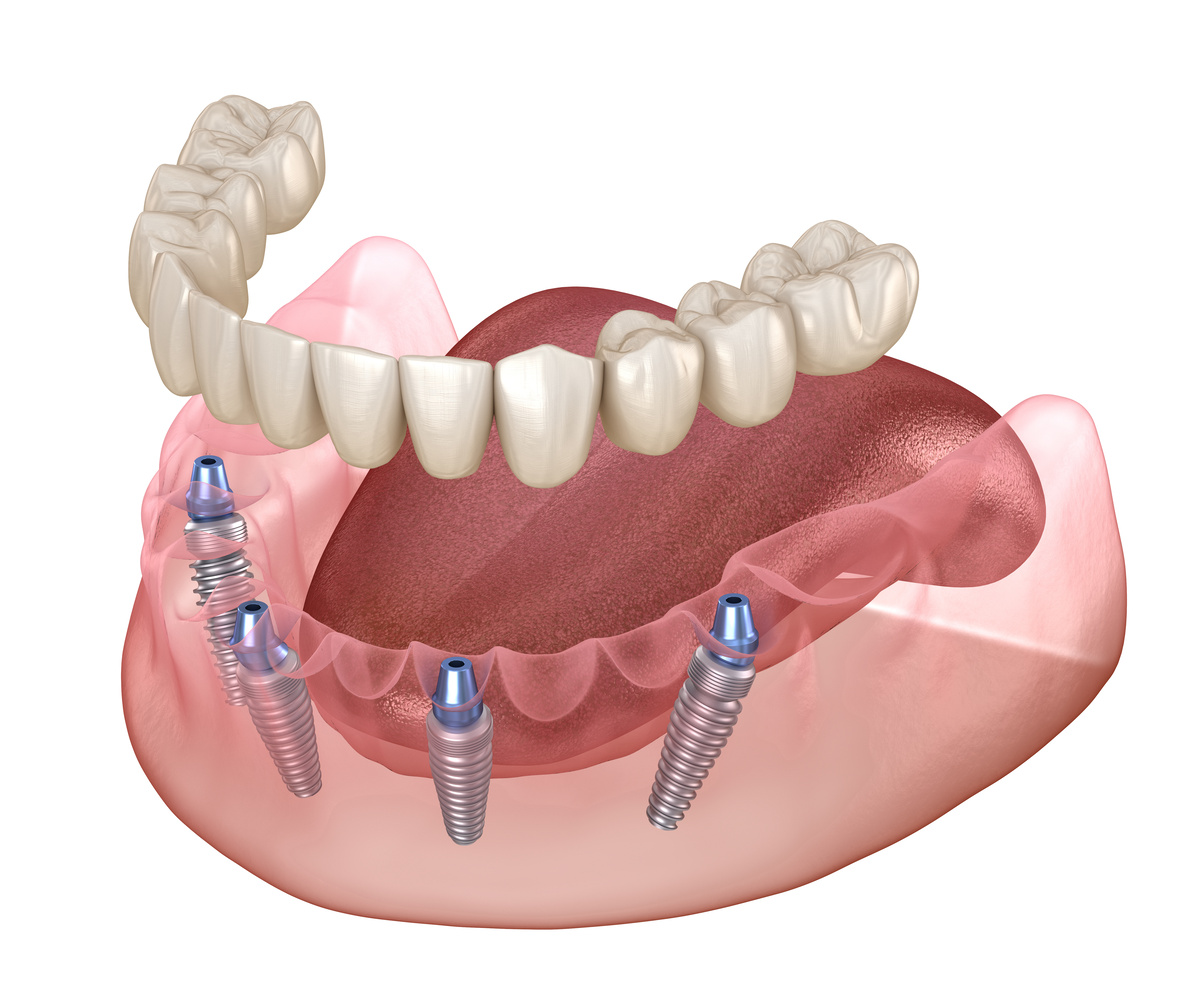
For patients missing multiple teeth, solutions like All-on-4 implants provide comprehensive restoration while supporting bone health across broader areas of the jaw. These innovative approaches distribute chewing forces effectively, maximizing bone stimulation and preservation.
Experience Comprehensive Care at Lotus Dental Associates
At Lotus Dental Associates, we provide judgment-free dental care where your goals for a healthy, beautiful smile are our top priority. Dr. Phan’s comprehensive evaluation identifies not just tooth replacement needs but also addresses underlying factors affecting your bone health. We take an airway-focused approach to dental care, ensuring your long-term health and wellness extend beyond just your teeth. We speak English and Vietnamese and aim to provide efficient, personalized care that values your time.
Don’t let bone loss compromise your oral health and facial structure. Whether you’re considering dental implants or simply want to understand your options for tooth replacement, contact our Fort Mill practice today to schedule a comprehensive evaluation. Discover how dental implants can preserve your bone health while restoring your smile’s function and beauty.