Waking up with jaw pain, experiencing clicking sounds when you chew, or dealing with persistent facial discomfort can be frustrating symptoms that disrupt your daily life. Many people attribute these issues to stress, teeth grinding, or simply sleeping in an awkward position. However, emerging research suggests a deeper connection between jaw pain and a condition you might not immediately suspect: airway obstruction. Understanding this relationship could be the key to finally finding relief from chronic jaw discomfort.
The connection between airway health and jaw function is more significant than most people realize. At Lotus Dental Associates in Fort Mill, South Carolina, Dr. Nhung Phan and our experienced team take an airway-focused approach to dental care, recognizing that jaw pain often signals underlying breathing issues. We address the root causes of your symptoms rather than just treating surface-level problems, ensuring your long-term health and wellness.
Understanding Temporomandibular Joint Disorders
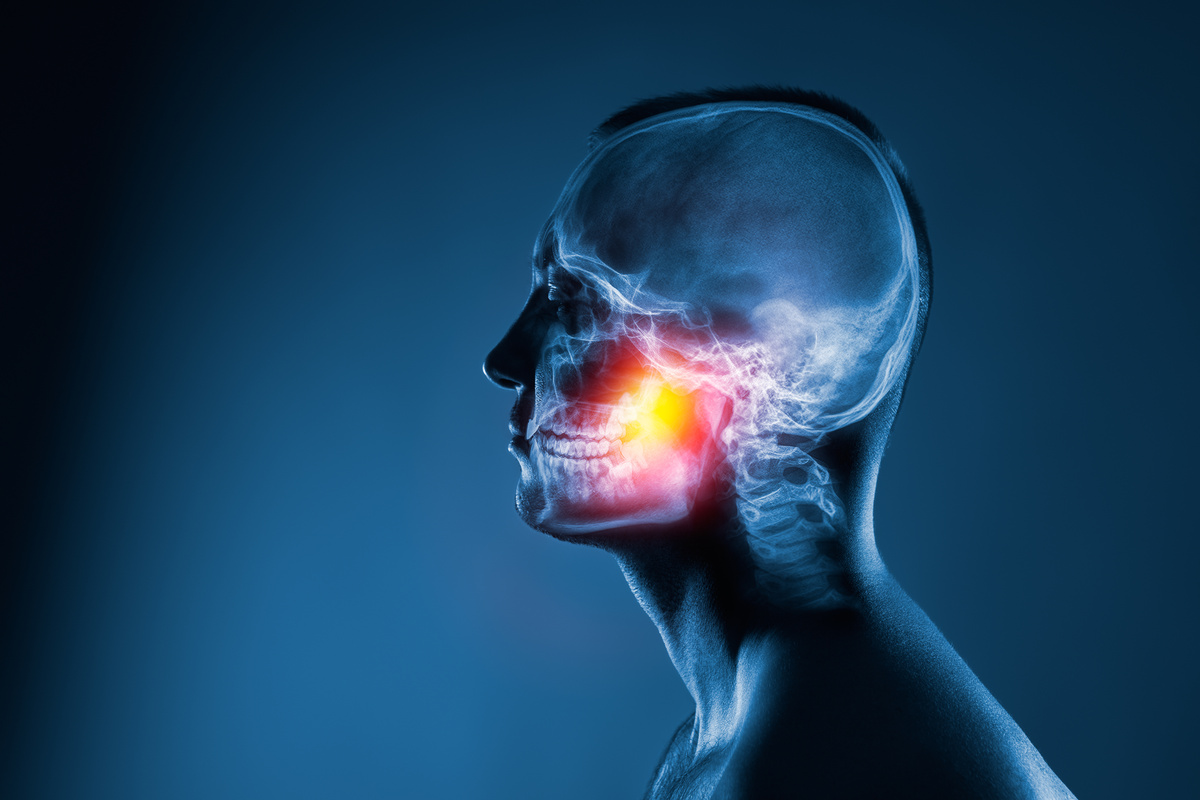
Your temporomandibular joint connects your jawbone to your skull and allows for essential movements like chewing, speaking, and yawning. When this joint becomes inflamed, injured, or stressed, you may develop temporomandibular disorder. Common symptoms include jaw pain, facial discomfort, headaches, difficulty chewing, clicking or popping sounds in the jaw, and limited jaw movement. Many people live with these symptoms for years without realizing that airway obstruction could be contributing to their discomfort.
TMD affects the muscles and structures controlling jaw movement. When your body struggles to maintain proper breathing during sleep due to airway restrictions, it compensates in ways that place tremendous strain on your jaw joint and surrounding muscles. This creates a cycle of tension and pain that can worsen over time if left unaddressed.
The Connection Between Airway Obstruction and Jaw Pain
Research published by the National Institutes of Health reveals a striking connection between obstructive sleep apnea symptoms and temporomandibular disorders. The OPPERA prospective cohort study found that people with a high likelihood of OSA had 73% higher incidence of first-onset TMD compared to those without sleep apnea symptoms. This significant association demonstrates that airway obstruction doesn’t just affect your breathing during sleep—it directly impacts your jaw health.
During sleep, when your airway becomes partially or completely blocked, your body enters a state of panic to restore breathing. This triggers muscle tension throughout your body, including the muscles controlling your jaw joint. Night after night of this involuntary stress creates chronic inflammation and pain in the temporomandibular joint. Additionally, many people with airway obstruction unconsciously clench their teeth or grind them during sleep in an attempt to open their airway, further damaging the jaw joint.
How Jaw Position Affects Your Airway
The relationship between jaw position and airway function works in both directions. Poor jaw positioning can contribute to airway obstruction, while airway problems can worsen jaw dysfunction. When your jaw rests too far back, it can narrow your airway space, making breathing more difficult, especially during sleep. This misalignment places constant stress on the temporomandibular joint while simultaneously restricting airflow.
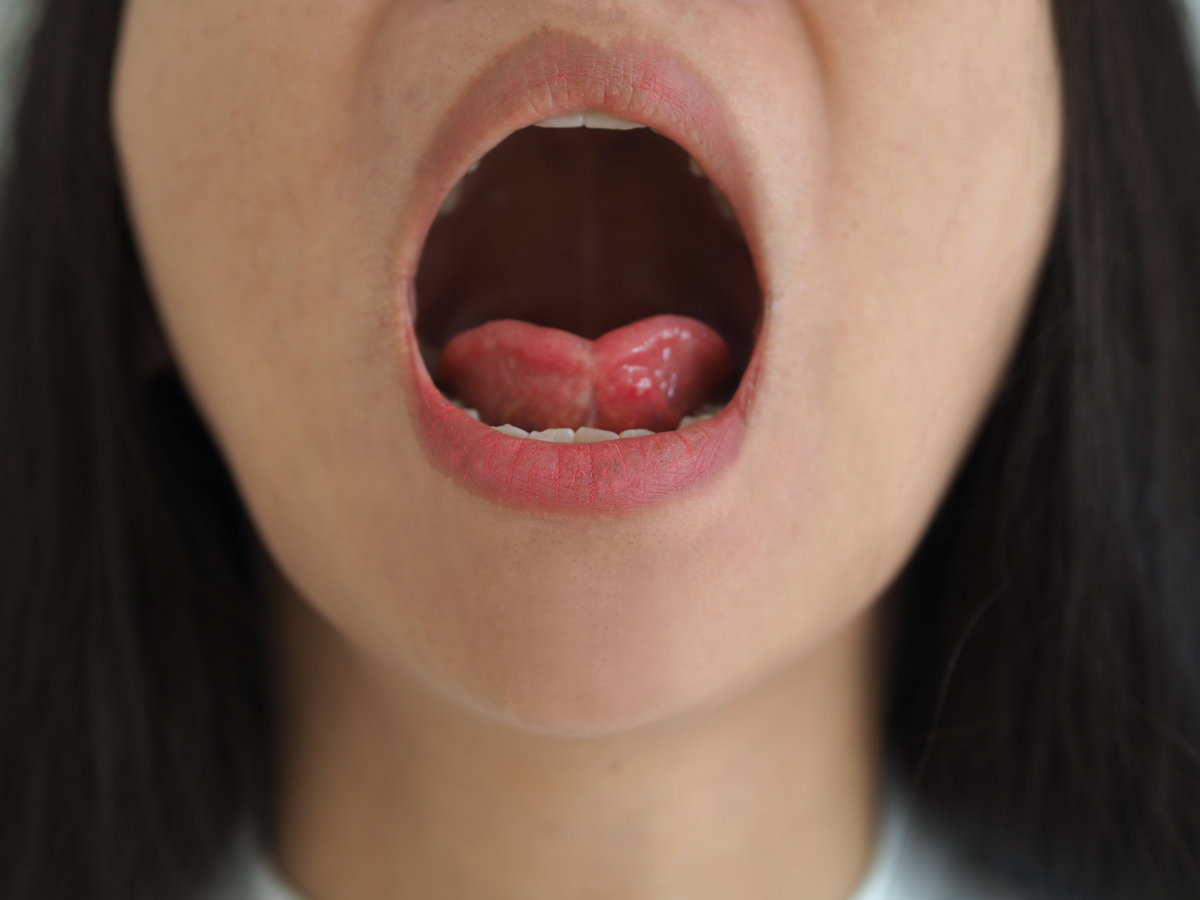
Structural issues such as tongue-ties can also play a significant role in this connection. When tongue mobility is restricted, it affects both jaw positioning and airway patency. The tongue may fall back during sleep, partially blocking the airway and forcing compensatory jaw movements that strain the temporomandibular joint.
Signs Your Jaw Pain May Be Airway-Related
Several symptoms suggest your jaw pain may be connected to airway obstruction. These include waking with jaw pain or headaches, loud snoring, witnessed breathing pauses during sleep, excessive daytime fatigue despite adequate sleep hours, difficulty concentrating during the day, and morning jaw stiffness. If you experience multiple symptoms, addressing potential airway issues through comprehensive general dentistry evaluation becomes crucial.
Many patients report that their jaw pain intensifies after poor sleep or seems worse in the morning. This pattern strongly suggests an airway connection, as the nighttime breathing struggles directly contribute to jaw tension and inflammation.
Treatment Approaches That Address Both Issues
Successfully treating jaw pain related to airway obstruction requires addressing both conditions simultaneously. Oral appliance therapy represents one effective treatment option. These custom devices reposition your jaw to maintain an open airway during sleep while reducing strain on the temporomandibular joint. By improving airway patency and proper jaw positioning, oral appliances can provide dual benefits for both breathing and jaw comfort.
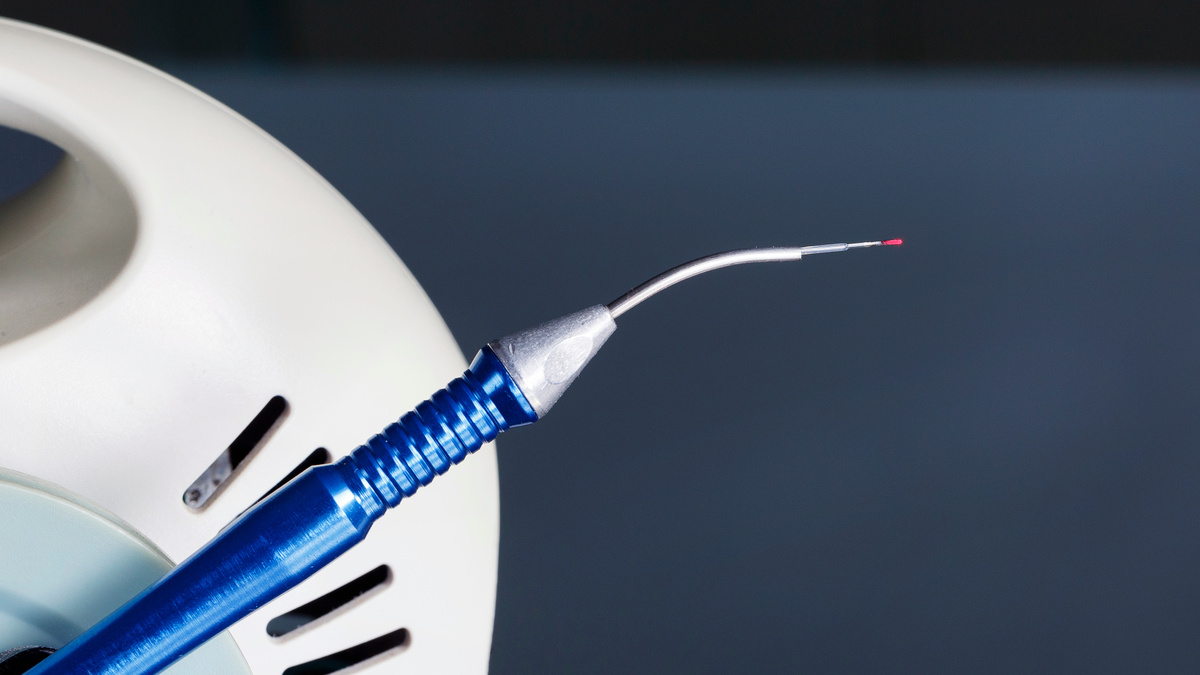
For some patients, addressing structural issues like tongue-ties through laser frenectomy can significantly improve both airway function and jaw positioning. Removing restrictions allows the tongue to rest properly, supporting better breathing patterns and reducing compensatory jaw movements. Physical therapy and myofunctional exercises can also strengthen the muscles involved in proper jaw and tongue positioning.
Experience Comprehensive Airway-Focused Care at Lotus Dental Associates
At Lotus Dental Associates, we are a judgment-free dental office where your goals for optimal health are our top priority. Dr. Phan’s comprehensive, airway-focused approach addresses the root causes of jaw pain rather than just managing symptoms. We understand that restorative dentistry goes beyond fixing teeth—it encompasses your entire oral health system, including how you breathe. We speak English and Vietnamese and aim to provide efficient, personalized care that values your time.
Don’t let chronic jaw pain diminish your quality of life. If you’re experiencing persistent jaw discomfort, especially combined with sleep issues or fatigue, airway obstruction may be the underlying cause. Contact our Fort Mill practice today to schedule a comprehensive evaluation and discover how addressing airway health can transform both your breathing and your jaw comfort.